
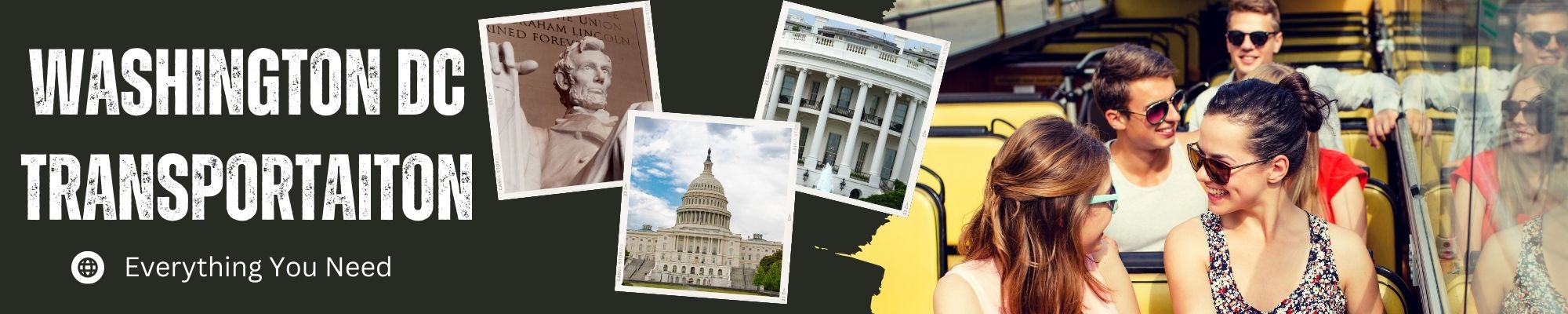
Getting Around in Washington DC – Transportation
Washington DC, the vibrant capital of the United States, is a bustling city that offers a multitude of transportation options for residents and visitors alike. Navigating the city can be an adventure in itself, with a variety of modes of transportation available to help you get around efficiently. Whether you prefer the convenience of public transportation, the flexibility of ride-sharing services, the freedom of walking, the comfort of private motorcoaches, or the independence of driving your own car, DC has something to offer for everyone. In this article, we will explore the different transportation options in Washington DC, highlighting the pros and cons of each mode.
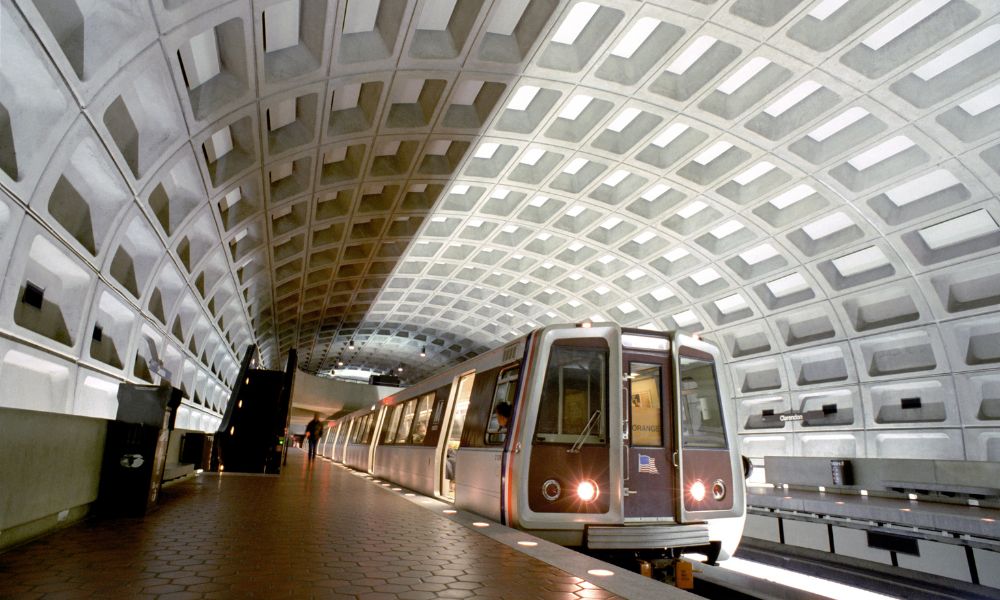
Metro (Washington Metropolitan Area Transit Authority):
The Metro system in Washington DC is a reliable and widely used mode of transportation. It consists of six color-coded lines and serves the District of Columbia, Maryland, and Virginia. The Metro offers a convenient way to travel to various attractions, museums, and neighborhoods within the city.
Pros of using the Metro include:
-
- Efficiency: The Metro operates on fixed schedules, ensuring regular and timely service throughout the day. Whether you’re commuting to work or exploring the city, you can rely on the Metro to get you to your destination efficiently.
-
- Extensive Coverage: With its extensive network of stations, the Metro reaches many popular destinations in and around Washington DC. From iconic landmarks like the National Mall to vibrant neighborhoods such as Dupont Circle and Georgetown, the Metro connects you to a wide range of attractions.
-
- Cost-effective: Metro fares are relatively affordable, especially for longer journeys. The fare is determined by the distance traveled, making it a cost-effective option for both locals and tourists.
-
- Accessibility: Metro stations are equipped with elevators and escalators, providing accessibility for individuals with disabilities. The system is designed to accommodate passengers of all abilities, ensuring a seamless experience for everyone.
However, there are some drawbacks to using the Metro:
-
- Crowded During Peak Hours: The Metro can get crowded during rush hours, particularly on lines serving downtown DC. This may result in limited seating availability and potential delays. However, the Metro has taken measures to increase capacity and improve the overall experience for passengers.
-
- Limited Flexibility: Metro schedules may not align perfectly with your specific travel needs, requiring some planning in advance. Trains typically run every few minutes during peak times, but less frequently during off-peak hours and on weekends. It’s important to check the schedules and plan your trips accordingly.
-
- Maintenance and Delays: Occasionally, the Metro experiences maintenance work or unexpected delays, which may disrupt your travel plans. It’s advisable to stay informed about any service disruptions or delays through the official Metro website or their mobile app.
For more information about the Metro, you can visit the official website of the Washington Metropolitan Area Transit Authority: [link]
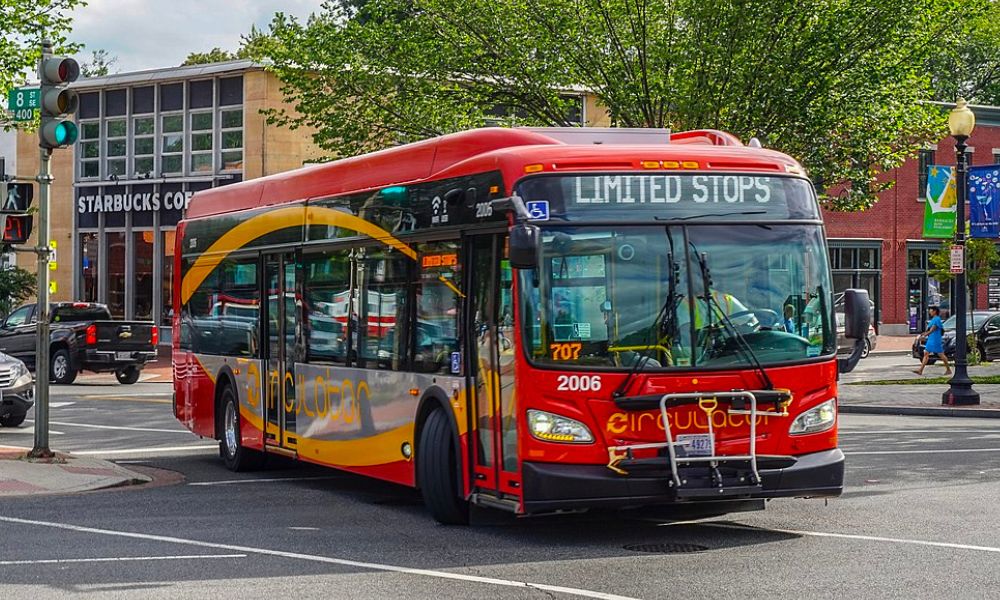
Circulator Bus System:
The Circulator bus system offers a convenient and affordable way to get around Washington DC, particularly for exploring the downtown area and popular tourist destinations. The distinctive red buses operate on specific routes, connecting various neighborhoods and attractions.
Pros of using the Circulator Bus System:
-
- Affordable Fare: The Circulator has a flat fare, making it a cost-effective option for traveling short distances. As of 2023, the fare is $1 per ride, providing an economical choice for both locals and visitors.
-
- Downtown Coverage: The Circulator primarily serves the downtown area, connecting key attractions, business districts, and residential neighborhoods. Whether you’re heading to the National Gallery of Art, the Smithsonian museums, or the vibrant Chinatown, the Circulator offers a convenient way to reach these destinations.
-
- Frequent Service: Buses operate on a regular schedule, allowing for minimal wait times between buses. This ensures that you can easily hop on a bus and reach your destination without significant delays.
-
- Tourist-Friendly: The Circulator’s routes are designed with tourists in mind, making it easy to navigate and explore the city. The bus stops are strategically placed near popular attractions, providing a hassle-free experience for visitors.
However, there are a few drawbacks to consider When Using Bus System:
-
- Limited Coverage: The Circulator’s service is primarily concentrated in the downtown area, so it may not be suitable for reaching destinations outside this zone. If you plan to explore neighborhoods beyond the downtown area, you may need to consider alternative transportation options.
-
- Potential Crowding: During peak tourist seasons or busy periods, Circulator buses can become crowded, leading to standing-room-only situations. This can make the journey less comfortable, particularly during hot summer days or inclement weather.
For more information about the Circulator bus system, including routes and schedules, you can visit their official website: [link]
- Uber – Getting Around DC using Uber (or Lyft):
Uber, the popular ride-sharing service, provides a convenient and flexible transportation option in Washington DC. With just a few taps on your smartphone, you can request a ride and be on your way to your destination.
Pros of using Uber:
-
- Convenience and Accessibility: Uber allows you to request a ride with ease, providing door-to-door service. You can book a ride from anywhere in the city, making it a convenient option, especially when you’re not near a Metro station or bus stop.
-
- Flexibility: You can choose from a range of vehicle options depending on your needs and preferences, from economy to luxury. Whether you’re traveling solo or with a group, Uber offers different vehicle sizes to accommodate your party.
-
- No Parking Hassles: Using Uber eliminates the need to find parking spaces, which can be challenging and expensive in DC. Whether you’re heading to a museum, restaurant, or event venue, you can be dropped off at the entrance without worrying about parking availability.
-
- Safety Features: Uber incorporates safety features such as driver and vehicle information, real-time GPS tracking, and the ability to share your trip details with friends or family. These features help ensure a secure and reliable ride experience.
However, there are some considerations to keep in mind:
-
- Cost: Depending on factors such as distance, time of day, and demand, Uber fares can vary and may be more expensive than other modes of transportation. It’s essential to check the fare estimate before booking a ride to gauge the potential cost.
-
- Traffic and Congestion: During peak hours, traffic congestion can affect travel times, potentially increasing the duration and cost of your Uber ride. It’s advisable to plan your trips accordingly, especially when heading to destinations with known traffic hotspots.
For more information about using Uber in Washington DC, you can visit their official website: [link]
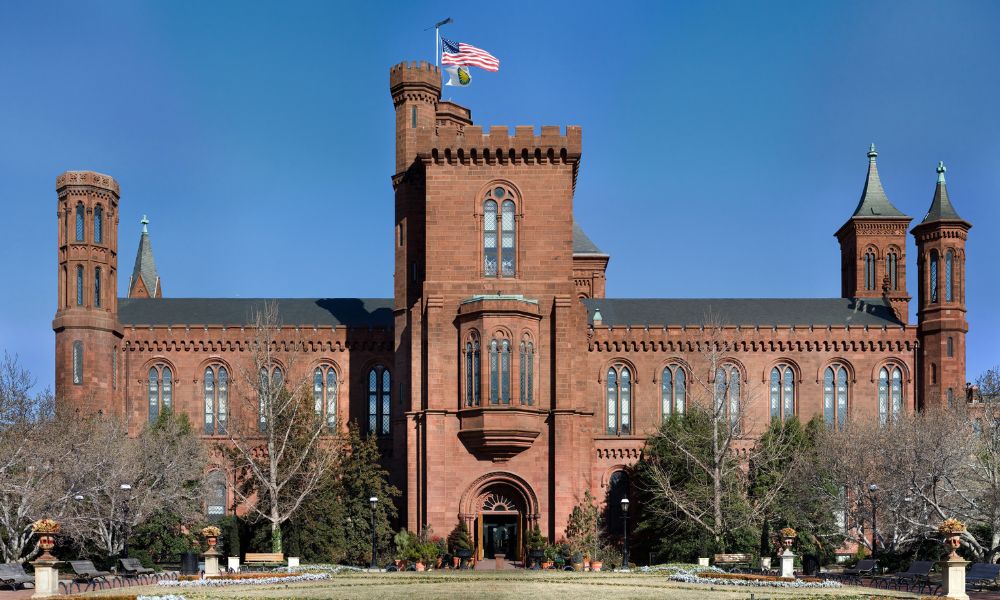
Walking – A Great Way to Get Around Washington DC:
Exploring Washington DC on foot is an excellent way to experience the city’s rich history, iconic landmarks, and charming neighborhoods. From the grandeur of the National Mall to the lively streets of Georgetown, walking allows you to immerse yourself in the vibrant atmosphere of the city.
Pros of walking:
-
- Flexibility and Freedom: Walking allows you to set your own pace, take detours, and discover hidden gems along the way. You can pause to admire the architecture, explore quaint side streets, or stumble upon local cafes and shops.
-
- Cost-effective: Walking is entirely free, making it a budget-friendly option for exploring the city. It’s a great way to save on transportation costs while enjoying the sights and sounds of Washington DC.
-
- Health Benefits: Walking is a healthy and eco-friendly mode of transportation that allows you to stay active while enjoying the sights and sounds of DC. It’s a wonderful way to incorporate physical activity into your day and enjoy the city from a different perspective.
However, there are a few limitations to consider:
-
- Distance: Depending on the locations you want to visit, some attractions may be too far to reach solely by walking. While the downtown area is compact and walkable, you may need to consider other transportation options or plan your itinerary accordingly if you’re venturing to destinations outside the central area.
-
- Weather Conditions: Extreme weather conditions, such as heatwaves or heavy rain, may not be conducive to walking long distances comfortably. It’s essential to check the weather forecast and dress appropriately for the conditions to ensure a pleasant walking experience.
-
- Time Constraints: Walking may take longer compared to other modes of transportation, particularly when covering more extensive distances. If you have a tight schedule or need to reach a destination quickly, it may be more efficient to consider alternative transportation methods.
For maps and pedestrian-friendly routes in Washington DC, you can refer to the DC Department of Transportation’s official website: [link]
- Driving Your Own Car in Washington DC:
Driving your own car in Washington DC can provide you with the freedom and convenience to explore the city at your own pace. However, it’s essential to consider the pros and cons before deciding to drive in the city.
Pros of driving your own car:
-
- Independence and Flexibility: Having your car gives you the freedom to travel whenever and wherever you want. You can easily reach destinations beyond the reach of public transportation or explore areas off the beaten path.
-
- Convenience for Families or Groups: If you’re traveling with family or a group, having a car offers the convenience of traveling together and the flexibility to accommodate everyone’s needs.
-
- Storage Space: A car allows you to carry personal belongings, shopping bags, or equipment that may be difficult to carry on public transportation.
However, there are some considerations when driving your own car in Washington DC:
-
- Parking Challenges: Finding parking in Washington DC can be a challenge, especially in popular areas or during peak hours. Limited parking spaces, parking restrictions, and expensive parking fees are common in the city. It’s important to familiarize yourself with parking regulations and consider the additional costs and time involved in finding parking.
-
- Traffic Congestion: Washington DC experiences heavy traffic during peak hours, especially on major thoroughfares and around popular attractions. It’s essential to plan your trips accordingly, considering potential traffic delays and choosing less congested times if possible.
-
- Cost of Gas and Tolls: Driving your car entails expenses such as fuel costs and tolls, which can add up, especially if you’re driving long distances or frequently entering toll roads.
-
- Alternative Transportation Options: In some cases, public transportation or ride-sharing services may be a more convenient and cost-effective option, especially when traveling within the downtown area where parking can be particularly challenging.
When considering driving your car in Washington DC, it’s important to weigh the convenience and flexibility against the potential challenges of parking, traffic, and costs. Assess your specific needs, destinations, and the availability of parking before making a decision.
Navigating Washington DC’s transportation landscape can be an exciting adventure. Whether you choose the efficiency of the Metro, the convenience of ride-sharing, the freedom of walking, the comfort of private motorcoaches, or the independence of driving your own car, each mode of transportation offers its own unique advantages and disadvantages. Consider your travel needs, preferences, and the specific destinations you wish to explore to make the most informed decision about the best way to get around this dynamic city. With an array of transportation options at your disposal, you’re sure to find the perfect mode to navigate and experience all that Washington DC has to offer.
Other Possible solutions to DC Transportation
Washington DC offers other methods of transportation for visitors. One unique mode of getting around is a Water Taxi. These trips by water can take a person from the main DC area to Alexandria, located southwest of DC. They also make stops at Mt. Vernon, home of George Washington. the Wharf in Georgetown, and some make stops at the National Harbor in Maryland.
Motorcoach is another great way to get around DC. This is especially important for groups such as Family Reunions or Educational Tours. The ease of use for transporting groups from location to location is the easiest, most-convenient solution.